The Controversial 2012 Exhibition at the Cernuschi Museum, or The Beginning of a More-Than-Decade-Long Campaign to Attack and Bring Down an Individual’s Reputation
Since its inception over seven years ago, the mission of this blog has been to showcase Vietnamese art—specifically, modern Vietnamese painting.
Two principles have guided it from the start: approaching the artwork physically, in a direct, face-to-face encounter; and interpreting it within its political, social, economic, and cultural context.
These latter four terms reflect the project’s ambition and the various obstacles I have had to overcome. I have previously written here and there about my long battle against figures akin to Savonarola—albeit cheap imitations, yet extremely active ones—who benefited from widespread complicity (both active and passive) in France and Vietnam; a lingering stench from corrupted “Western” or “people’s” democracies.
I have always believed that the rebellion would originate from Vietnam itself—from a Vietnam proud of its culture, knowing that nobility is not something one is born with, but something one achieves.
Proof of this lies in the phenomenal success (300,000 views) of a series of articles written directly in Vietnamese on Facebook—the social network that holds a near-monopoly in the country—by Trần Hoàn Ca, and shared by Daniella Higher.
Here is the English translation, along with the photos that accompanied the original post. I will also publish the two other articles that have already appeared, as well as those that will undoubtedly follow.
For Vietnamese art, art history is being written in real time.
And the art of history is a human virtue.
Jean-François Hubert
⁂
As late as 1995, Vietnamese art was still categorized as a minor subcategory within Asian art at contemporary auction houses. While bronzes, ceramics, and Cham art occasionally had a chance to attract attention, paintings by Vietnamese artists of the Indochina School of Fine Arts—whose value was then almost entirely unrecognized—were still scattered on walls, in storage rooms, and even laid on the floor in the homes of French collectors. They had been brought back either from the 1931 Colonial Exhibition, the 1937 World Exhibition—both held in Paris—or by “colonials” returning home between 1946 and 1954, who were virtually the only collectors of such works.
With three degrees—one from the Paris Institute of Political Studies/Sciences Po, a Master’s in Art History from the Sorbonne specializing in China, and a Master’s in Law from Paris-Assas—Jean-François Hubert began his career at Drouot, then France’s largest auction house and the third largest in the world, with an Asian-art auction in 1991, when he was only thirty-four years old (fig. 2). By the time he recognized the potential of Indochinese art through the 1995 exhibition Le Vietnam des Royaumes (fig. 3), the 1996 exhibition L’âme du Vietnam (fig. 4), and officially opened the door to this fertile field with the painting La Femme du Mandarin (1930) (fig. 5), he was already a seasoned professional.
This created a promising new horizon for Indochinese art. Yet, as A. Gramsci wrote in his Prison Notebooks in 1930: “The old world is dying, and the new world struggles to be born: now is the time of monsters.” Alongside this positive momentum, people with less-than-honorable intentions found an opportunity to invite themselves onto the stage in pursuit of profit, appropriation, or control. The initial spark was the notorious 2012 exhibition at the Cernuschi Museum in Paris—the exhibition mentioned in the article shown in the image. That article has been translated into Vietnamese so that readers in Vietnam may understand it as well (fig. 1).
The forged painting bearing Victor Tardieu’s name caused his granddaughter, Alix Tardieu, great concern. She contacted the leading specialist in Indochinese art at the time, Jean-François Hubert, to corroborate their shared assessment that the work was a fake Victor Tardieu. The article brought disastrous consequences for the Cernuschi Museum: its director, Ms. Shimizu, was forced into retirement because she had permitted an exhibition in which nearly 80% of the works belonged to one of the two “curators.” It was also a serious embarrassment for the two people behind the exhibition: Loan Sicre de Fontbrune—wife of the French art dealer Yves de Fontbrune, who died in Vietnam in 2015 under mysterious circumstances—and Ngô Kim Khôi, although his name was not mentioned in the article.
These two individuals decided that the article’s findings constituted a personal attack on them. This marked the beginning of a retaliatory campaign of harassment directed at JfH—a campaign that has never ended and continues to this day. Sharp-eyed Vietnamese readers will notice that they condemn only Indochinese paintings auctioned at Christie’s when Jean-François Hubert’s name is involved, while remaining silent when paintings by the same artists appear at Christie’s heavyweight competitor, Sotheby’s. The question of genuine versus fake Indochinese paintings is therefore merely a pretext. The true motivation is personal resentment or conflict.
Jean-François still remembers the years when Ngô Kim Khôi began turning up at his earliest auctions in the mid-1990s. Ngô Kim Khôi and Jean-François are nearly the same age, but in terms of fate and education, they are worlds apart. Ngô Kim Khôi, despite being the grandson of the celebrated painter Nam Sơn, has never made any meaningful contribution to Vietnamese art, nor has he shown any ability to follow his grandfather’s creative path or even remotely fill his shoes. Having failed in everything he attempted from childhood onward, his efforts to gain acceptance within French circles seem to have encountered even greater difficulty.
At the time, however, the Tardieu family, the Lê Phổ family, and Vũ Cao Đàm’s family still welcomed him with open arms, because he was, after all, Nam Sơn’s own grandson—and “le petit chose,” as Jean Tardieu, Victor’s son, called him. To this day, the thing Khôi may be most proud of is his success in tarnishing a rival’s reputation to polish his own, exploiting his grandfather’s name for personal gain, sewing garish Klimt-patterned vests, and creating a deceptive illusion by brazenly inserting himself into a group photograph of the Christie’s team with a smile that could not be more artificial or sly, even though no one knew who he was (fig. 6).
Ngô Kim Khôi—a man never accepted by the people around him, someone never regarded seriously by those within the field—a world he has tried to enter for years but has still failed to penetrate. A Vietnamese émigré adrift between two worlds, not accepted in France, he returned to Vietnam to exploit trusting people who did not suspect him in the slightest, merely to survive and sustain himself, even though doing so meant destroying the honour of decent people, dragging their names through the mud, out of jealousy, an inability to accept his own reflection in the mirror, and personal gain. The late painter Nam Sơn, and Khôi’s mother, perhaps look down from above and can only close their eyes and shake their heads.
Ever since JfH thwarted Loan Sicre de Fontbrune’s effort to legitimize paintings traded by her husband by exploiting the prestige of a “museum” label, she has tirelessly directed Ngô Kim Khôi, Alain Trương, and Philippe Trương (fig. 7) from the shadows, pulling strings and exploiting the patriotism and cultural-preservation instincts of Vietnamese people in Vietnam. This has led them to react bitterly—indeed, at times uncivilly—against the grey-haired scholar JfH, in an effort to force him to stop. They failed. The only explanation is the indescribably intense jealousy of this group.
By February 15, 2026, when Alix Tardieu, now ninety years old, had to go on Facebook herself to speak publicly about Ngô Kim Khôi, these factors led the author of this article to conclude that, having learned the truth, remaining silent would be impossible to accept. More importantly, the author believes that Vietnamese art and the younger generations who will follow—whether in Vietnam or in France—deserve to know these truths.
To be continued… Readers are invited to follow Chapter II: “An Organized Condemnation.” The author does not yet know how many chapters this series will contain, but asks readers to remember one thing: every name, person, and event recounted in this series is real. Please continue following the series.
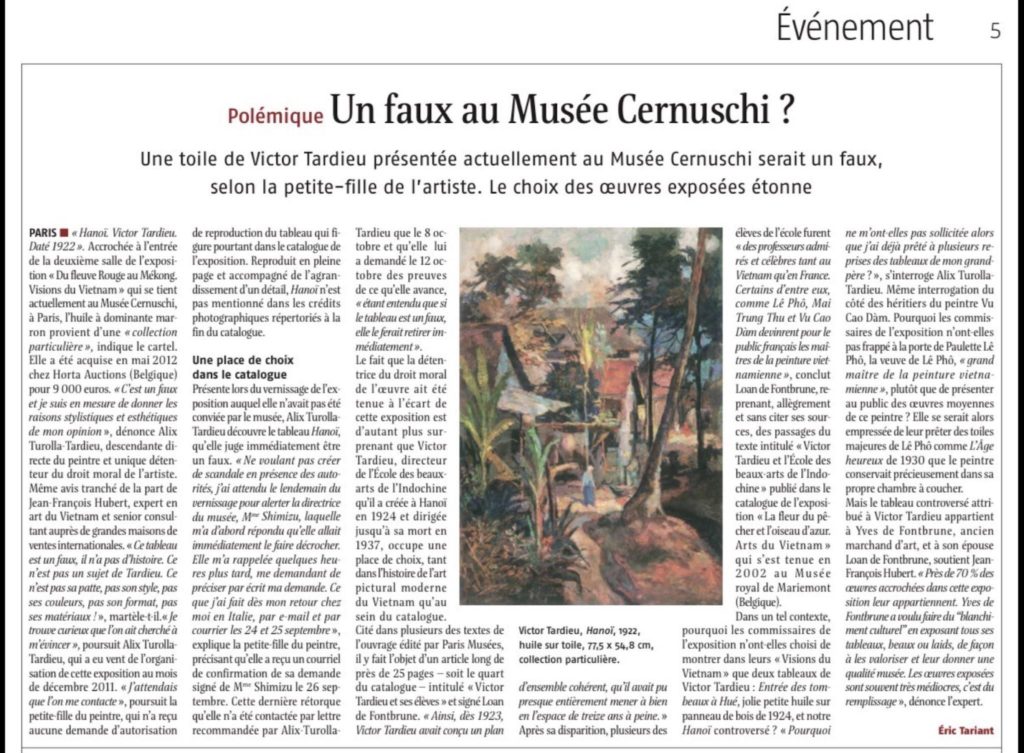
Fig 1 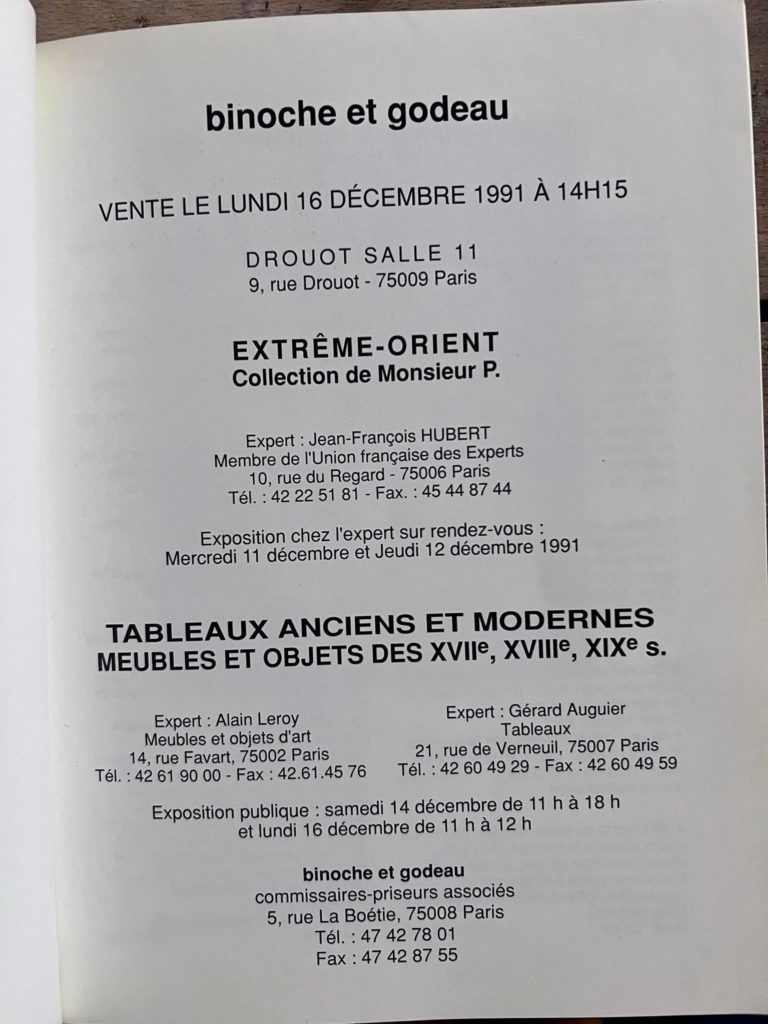
Fig 2 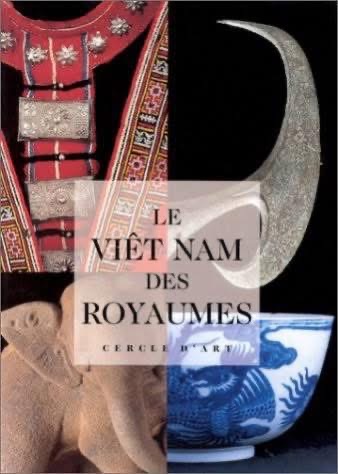
Fig 3 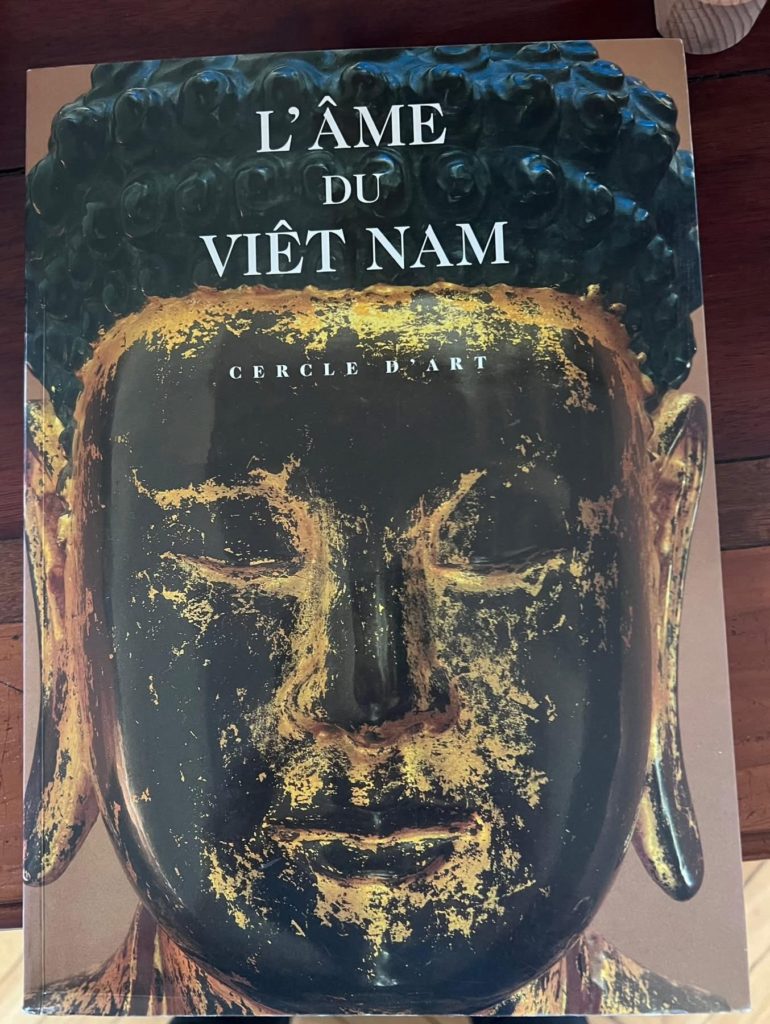
Fig 4 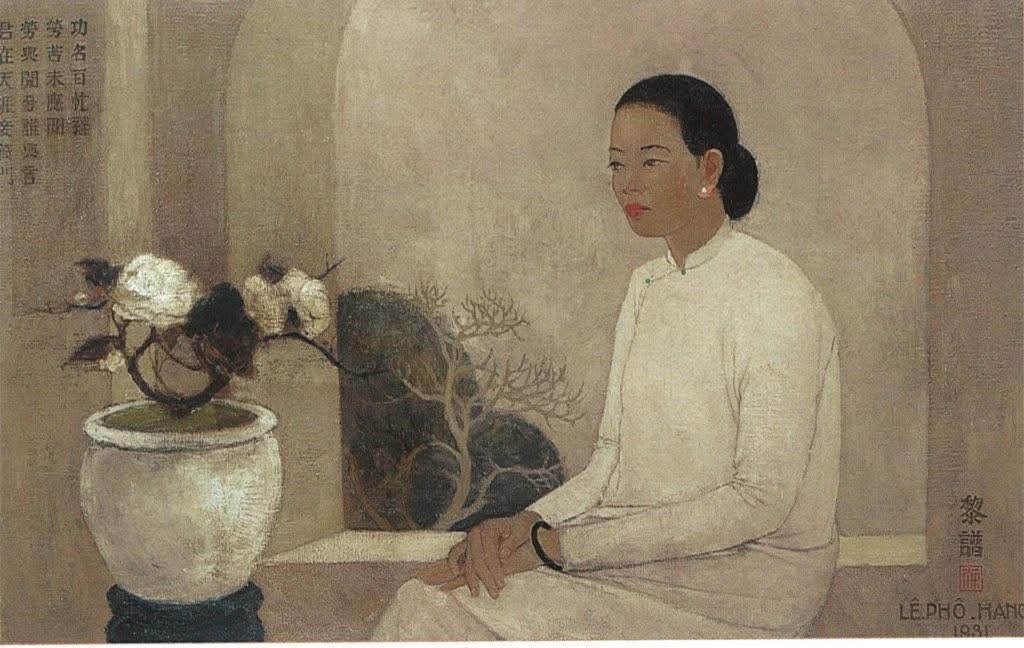
Fig 5 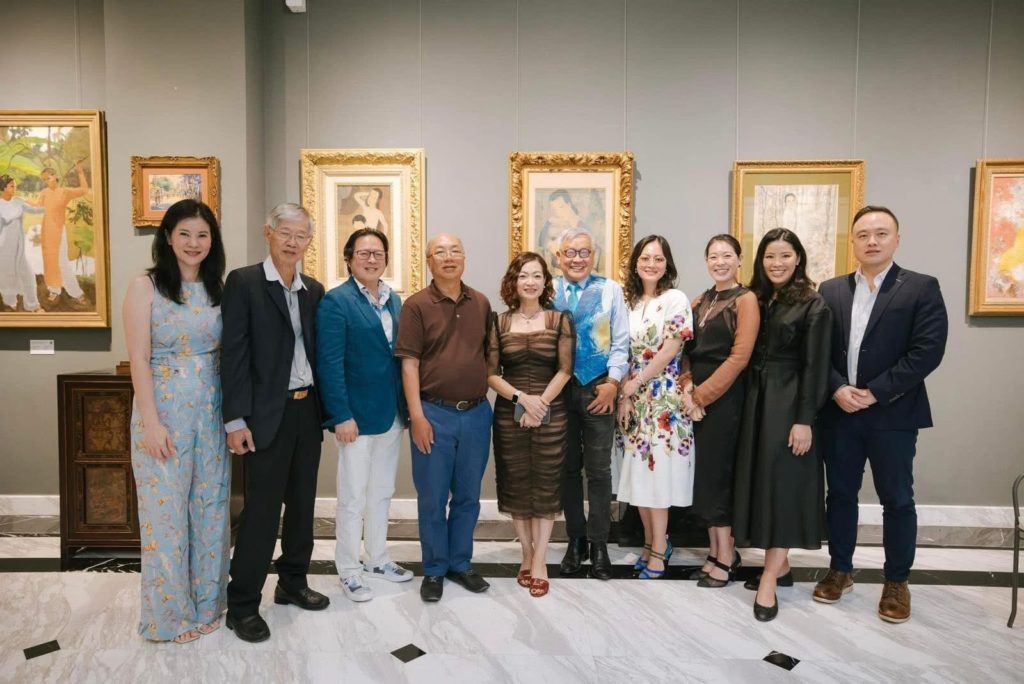
Fig 6 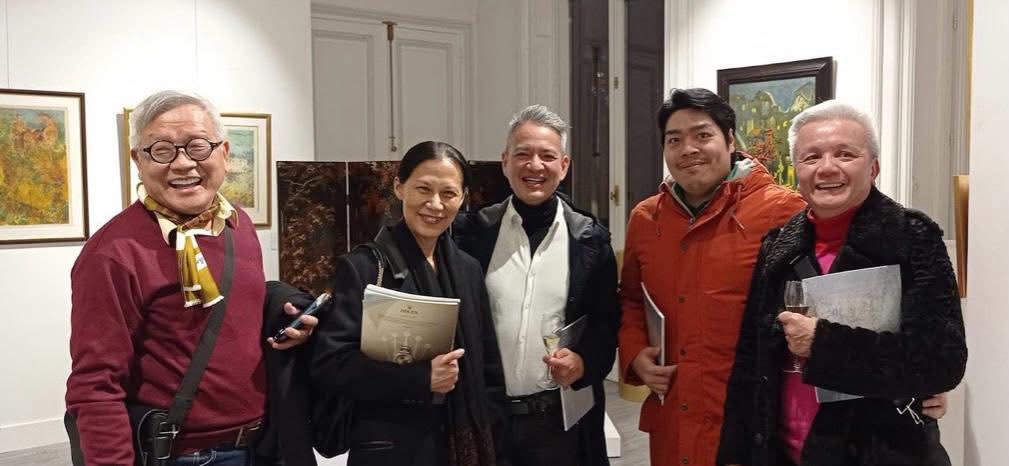
Fig 7